

For Nepali travelers who have grown up admiring the grandeur of the Himalayas, the Rocky Mountains of North America offer a fascinating parallel familiar in spirit yet distinct in experience. Stretching across Canada and the United States, the Rockies are known for their dramatic peaks, alpine lakes, dense forests, and well-managed national parks. While they may not rival the height of Everest or Annapurna, their accessibility, infrastructure, and diversity of activities make them an appealing destination for travelers from Nepal seeking a different mountain adventure.
Nature, Landscapes, and Familiar Majesty
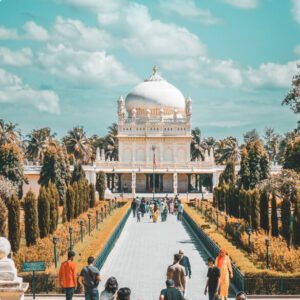
The Rocky Mountains are home to iconic destinations such as Rocky Mountain National Park, where snow-capped peaks, glacial valleys, and crystal-clear lakes dominate the scenery. For Nepali visitors, these landscapes evoke memories of regions like Langtang or Mustang, yet the environment feels distinctly Western marked by vast wilderness areas, wildlife such as elk and bighorn sheep, and meticulously maintained trails.
Unlike Nepal’s monsoon-influenced climate, the Rockies experience defined seasons that strongly shape travel experiences. Summer offers ideal conditions for hiking and sightseeing, while winter transforms the region into a hub for skiing and snow sports—activities that are only slowly emerging in Nepal.
Activities Beyond Trekking
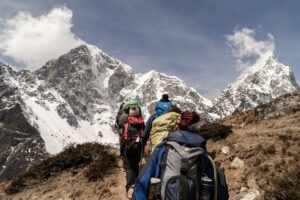
While trekking remains central to both Nepal and the Rockies, Rocky Mountain vacations extend well beyond hiking. Scenic train journeys, road trips through mountain passes, kayaking on alpine lakes, and guided wildlife tours are integral parts of the experience. For Nepali travelers accustomed to physically demanding treks, the Rockies present a more relaxed yet equally enriching way to engage with mountains.
National parks emphasize education and conservation, with visitor centers, interpretive trails, and guided programs that explain geology, ecology, and indigenous history. This structured approach to mountain tourism offers valuable insights for Nepali readers interested in how sustainable tourism can be managed on a large scale.
For travelers from Nepal, a Rocky Mountain vacation is not about replacing the Himalayas but expanding one’s understanding of mountain landscapes globally. It offers inspiration, perspective, and an opportunity to see how similar natural beauty can be experienced through different cultural, technological, and environmental lenses.
In this way, the Rockies serve as both a destination and a lessondemonstrating that while mountains may differ in scale and style, their power to inspire, humble, and connect humanity remains universal.


Good vacations and holidays enjoyed a lot