Trip Info
-
Private Vehicle
-
Lodge and Tea-House
-
6,065 meters
-
Kathmandu/Pokhara
-
Spring (March to May) and autumn (September to November).
-
Trekking and Hiking
-
Nepali and Continental
-
English, Spanish, French, Chinese
-
Moderate
-
1-10
-
12
-
70
Overview
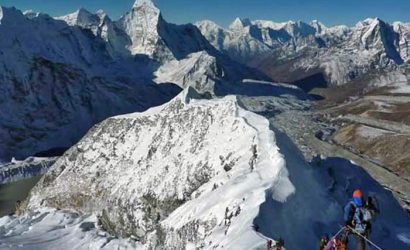
Mera Peak Climbing is one of the most iconic and delightful expeditions in the Himalayas that takes you to the summit of the highest trekking peak in Nepal. This beautiful hidden gem in the Himalayas which has been gaining massive popularity among climbers in recent years consists of three peaks, Mera South at 6,065 meters (19,898 feet), Mera North at 6,476 meters (21,246 feet) and Mera Central at 6,461 meters (21,197 feet).
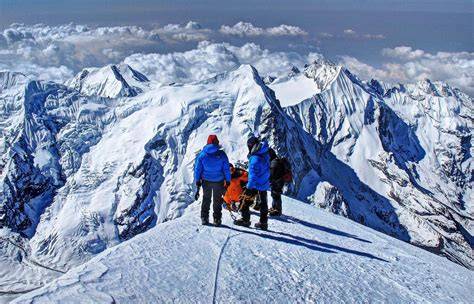
Famous as the ‘practice peak’ of the Himalayas, the Mera Peak climbing offers an exhilarating and thrilling adventure for both beginner and seasoned climbers. Known for its straightforward climbing route and the unprecedented magical vistas of the Himalayas from the top, Climbing Mera Peak rewards the climbers with stunning views of the five of the highest peaks in the world, Makalu, Kanchenjunga, Cho Oyu, Lhotse, and Everest from its summit.
Whether you are a mountaineering enthusiast who has just started your climbing expedition or seasonal and veteran climbers with significant years of experience. We here at Peak Climbing Nepal offer the best fully guided package for the Mera Peak climbing that uplifts your mountaineering experience to a whole new level.
Highlights
- Journey to the summit of the highest trekking peak in Nepal, Mera Peak (6,461 meters)
- Unique and immersive exploration of both Hinku Valley and Khumbu Valley
- Straightforward climbing experience for beginner mountaineers to test their skills and gain experience
- Stunning views of the 5 of the highest peaks in the world from the summit (Makalu, Kanchenjunga, Cho Oyu, Lhotse, and Everest)
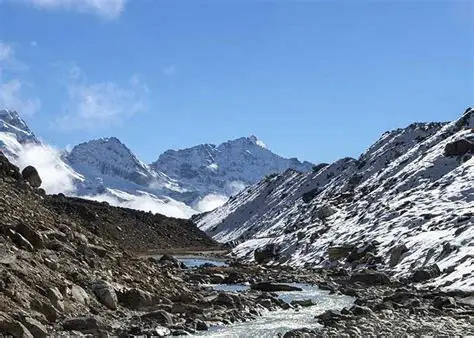
- Remote charming trails with lush rhododendron, pine, and fir forest, scenic waterfalls, rivers, and wide pasture lands with clear Himalayan vistas
- Delightful trekking trail passing through rich cultural and traditional settlements influenced by the Tibetan and Buddhist culture
- Opportunity to explore one of the highest Himalayan passes in the region, Zatrawal Pass (4,600 meters)